
Open Corner Sliding Doors: What You Need To Consider Before You Start
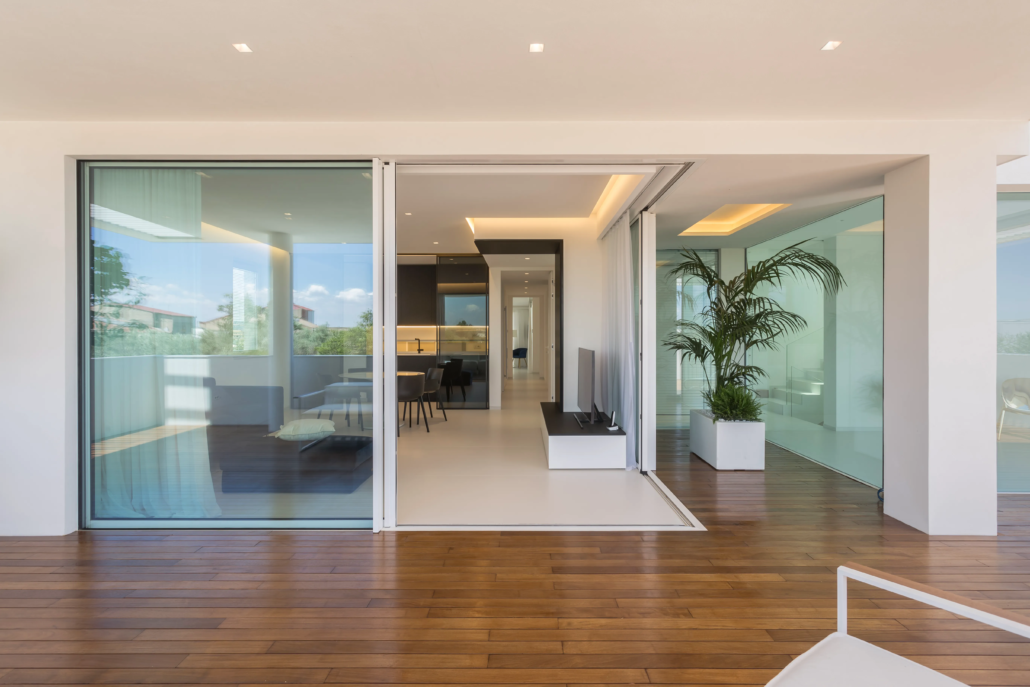
Open corner sliding doors are one of the most impressive features available in modern glazing design.
The ability to remove the traditional corner post and create a seamless opening between inside and outside spaces can completely transform a property. However, achieving a successful open corner configuration involves far more planning than many people initially realise.
One of the first and most important questions is:
What is supporting the corner?
The answer to that question will influence everything from structural design and aesthetics through to handle operation, locking options and system selection.
Option 1: A Self-Supporting Roof Structure
The most visually impressive solution is where the roof structure is designed to span the corner without requiring any structural support at the opening itself.
This creates the true “floating corner” effect that many homeowners and architects are looking for.
When both sliding door systems meet without any corner support, the opening can be completely unobstructed when the doors are open.
However, achieving this type of design usually requires the structural engineer to incorporate the corner opening into the building design from the beginning.
For this reason, self-supporting corner structures are most commonly found within:
- new-build properties
- contemporary extensions
- architect-designed homes
- large renovation projects where significant structural alterations are planned
Retrofitting this type of structure into an existing property can often be complex and expensive.
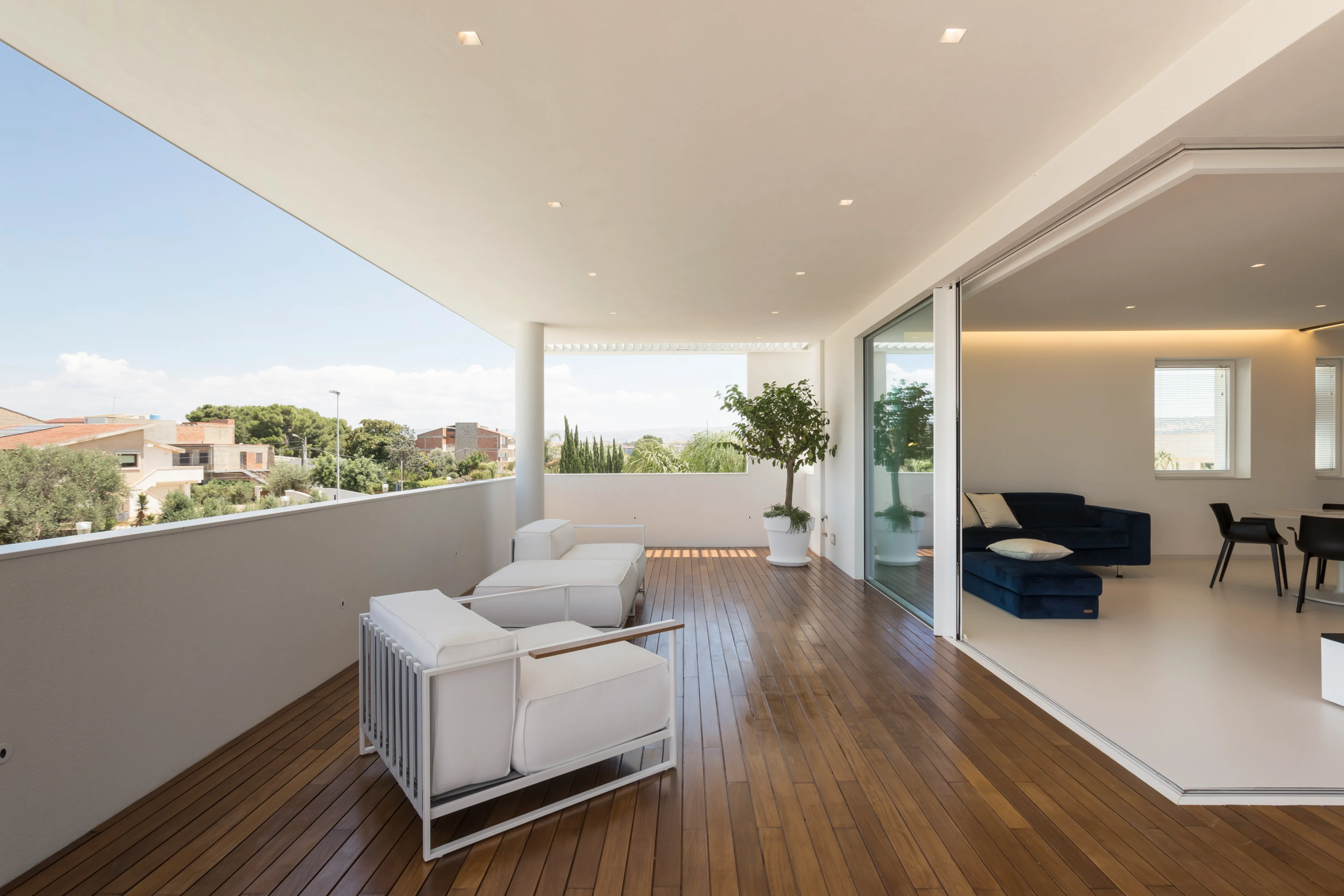
Option 2: Internal Structural Corner Posts
In many projects, a structural steel corner post is required to support the roof above.
One common approach is to position the steel post internally within the living space.
This often allows the external appearance to remain clean and uninterrupted while providing the necessary structural support.
However, internal corner posts introduce another important consideration:
Handle Clearance
When two sliding doors meet at a corner, the handles can sometimes clash with the structural post.
If insufficient clearance exists between the post and the handle, operating the doors comfortably can become difficult.
This means careful planning is required during the design stage to ensure:
- adequate handle clearance
- comfortable operation
- full locking functionality
- long-term usability
What may appear to be a small detail on a drawing can significantly affect the day-to-day experience of using the doors.
Option 3: External Structural Corner Posts
An alternative solution is to move the structural corner support to the external side of the glazing line.
This can often provide greater freedom internally, allowing handles and locking mechanisms to operate without obstruction.
Depending on the project, positioning the post externally may create a cleaner internal appearance and improve door usability.
However, the visual impact externally should also be carefully considered, particularly on highly architectural projects where sightlines are critical.
As with all corner slider designs, there is rarely a single right answer. The best solution depends on the structural requirements, desired aesthetics and practical use of the space.
Handle Configuration Matters
Another area that is frequently overlooked during the planning stage is which side of the sliding door contains the locking mechanism.
In some situations, it may be beneficial to position the operating handle away from the corner altogether.
This can eliminate potential conflicts between handles and structural posts.
However, not all systems offer the same flexibility.
For example:
- Reynaers CP130 can be configured with handles on the non-locking side in certain applications.
- Reynaers MasterPatio does not typically allow handles to be positioned on the non-locking side of meeting sliding panels.
Understanding these system-specific limitations early in the design process can help avoid disappointment later.
Motorised Corner Sliding Doors
For high-end residential projects, automation can provide additional flexibility.
Systems such as Reynaers HiFinity can be motorised on both sides of the corner configuration using specialised meeting sections and locking arrangements.
This allows homeowners to enjoy very large corner openings while maintaining ease of operation.
Motorised systems are typically specified on:
- luxury residential projects
- architect-designed homes
- premium extensions
- large-span glazing installations
While automation may not be appropriate for every project, it can often provide elegant solutions where manual operation becomes more challenging.
Why Early Planning Is Critical
The success of an open corner sliding door installation is rarely determined by the doors alone.
Structural design, post location, handle operation, locking arrangements and system capabilities all play an important role.
The earlier these details are considered, the more options remain available.
Waiting until the ordering stage to address structural supports or handle clearances can significantly limit design flexibility and create avoidable compromises.
Discuss Your Corner Sliding Door Project
If you’re considering a corner sliding door configuration, our team can help assess structural requirements, system suitability, handle arrangements and glazing options before the project reaches manufacture.
The earlier these conversations take place, the easier it becomes to achieve the result you’re looking for.
Speak to Luxal about your corner sliding door project today.

